Cellular Systems Dynamics Lab
Cellular Systems Dynamics Lab
We combine nonlinear dynamics, biophysics, and data science to understand how biochemical networks make decisions and how cells self-organize into multicellular communities. We work closely with experimental labs, so every model we build is tested against data.
Research areas
From single enzymes to bacterial communities, we look for the design principles behind how living systems sense, decide, and self-organize.
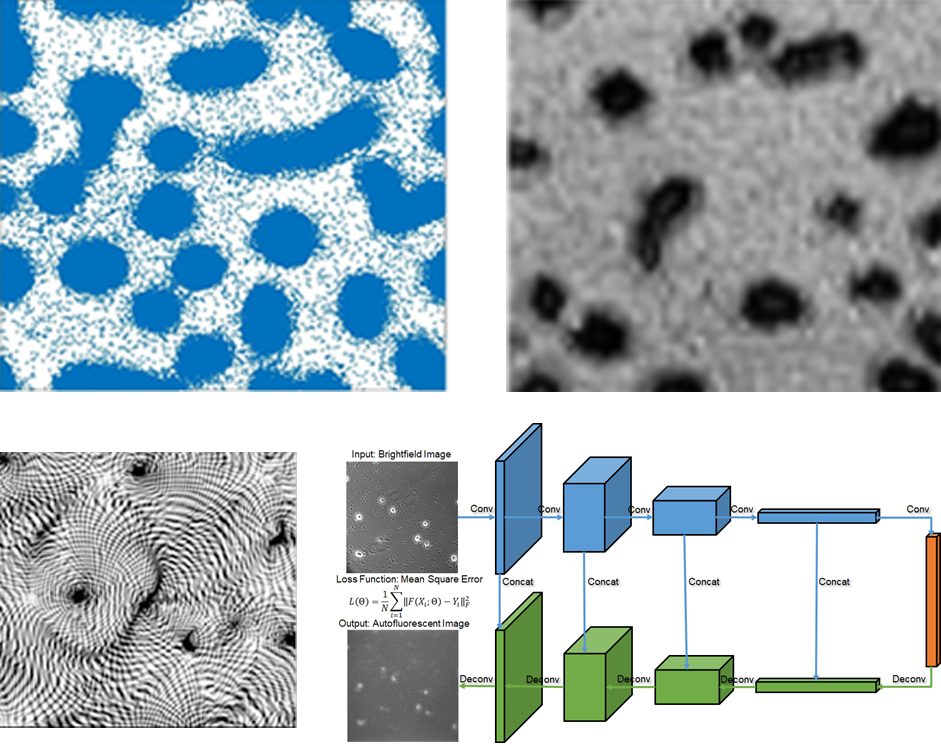
Microbial self-organization
How starving Myxococcus xanthus cells aggregate into fruiting bodies, and how collective behavior emerges from genetic networks.
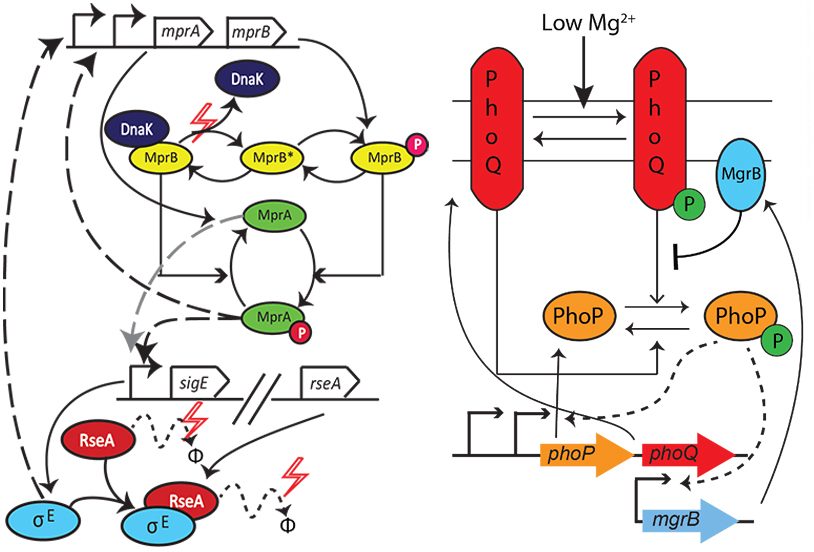
Bacterial stress response
Design principles of sigma-factor and two-component networks, from Bacillus subtilis to Mycobacterium tuberculosis.
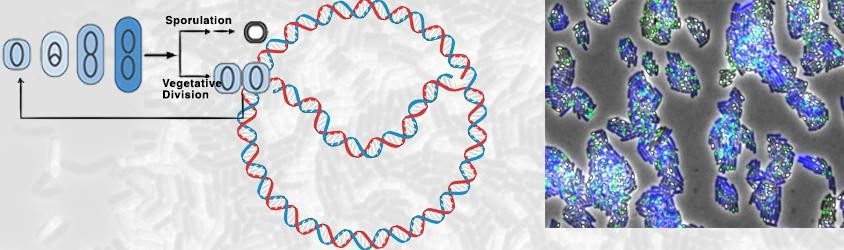
Cellular differentiation
How B. subtilis chooses between sporulation and biofilm formation, and how master-regulator dynamics encode that choice.
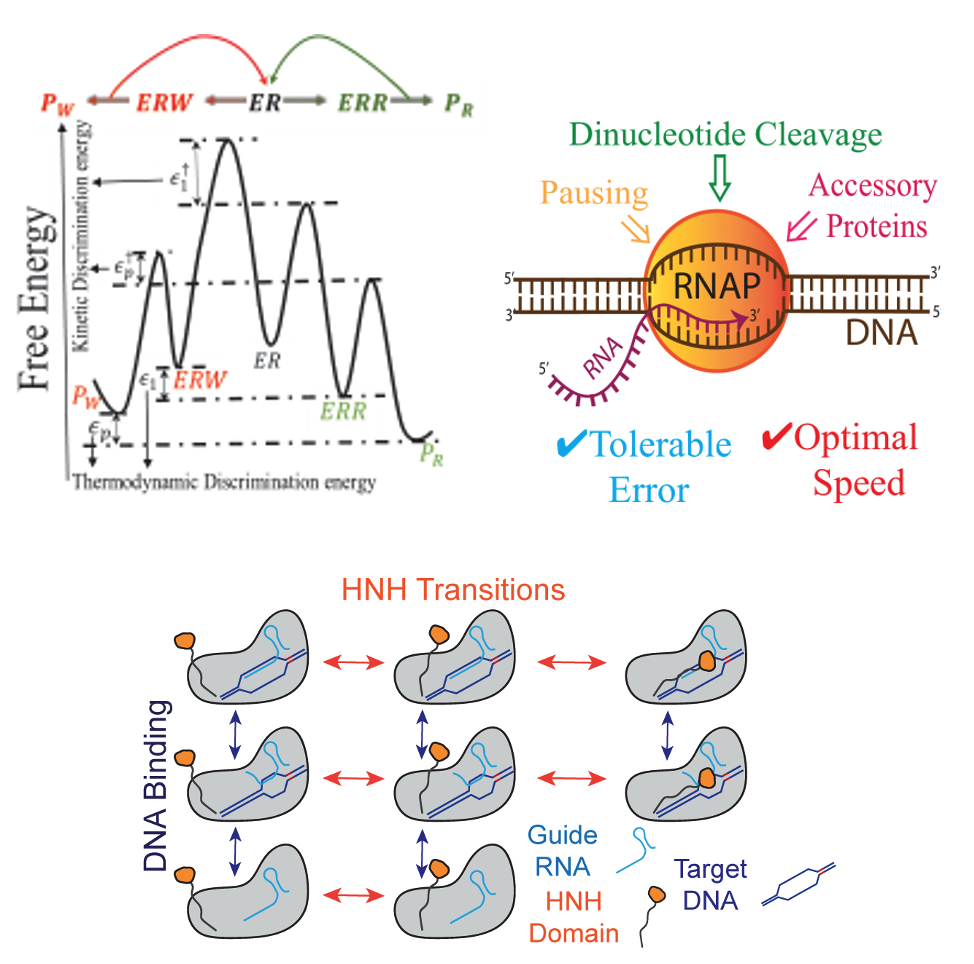
Information-processing trade-offs
Speed, accuracy, and energy dissipation in replication, transcription, translation, and CRISPR-Cas9.
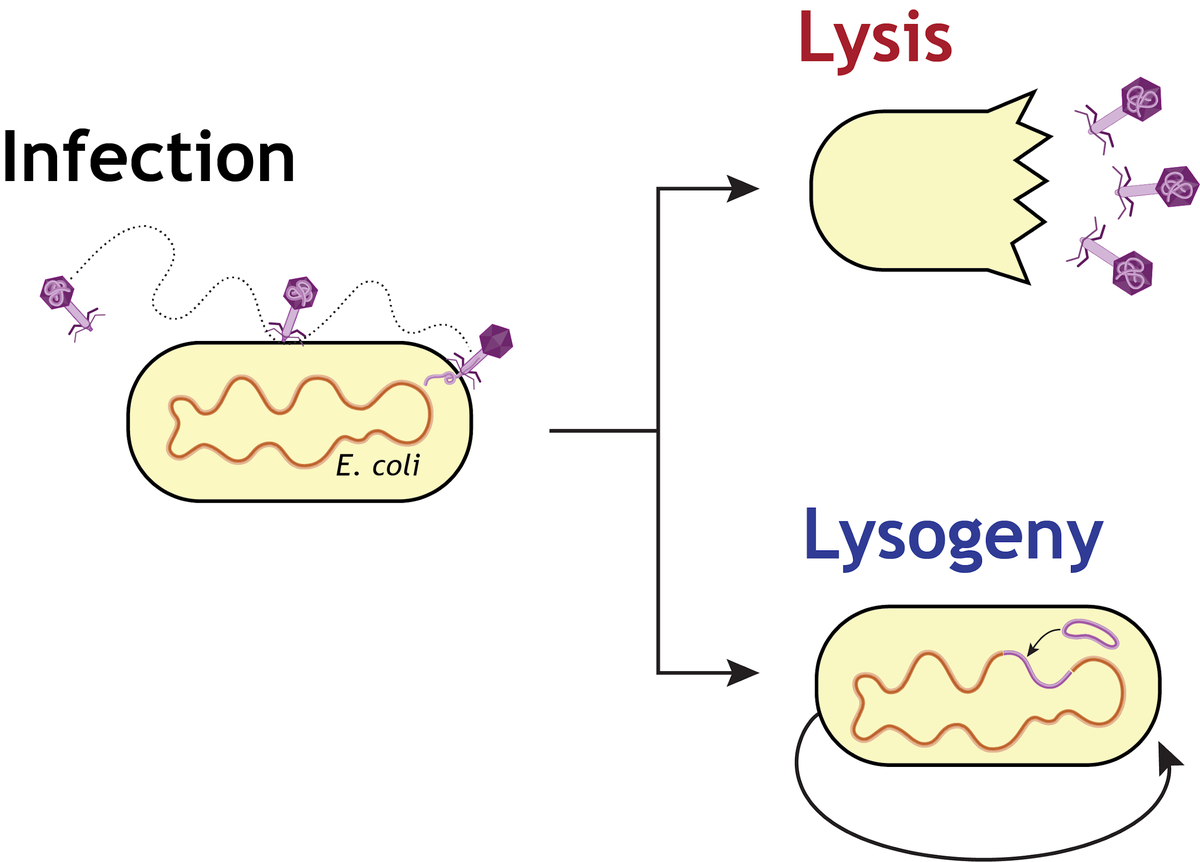
Viral cell-fate decisions
How cells infected by phage lambda “count” viral copies to choose between lysis and lysogeny.
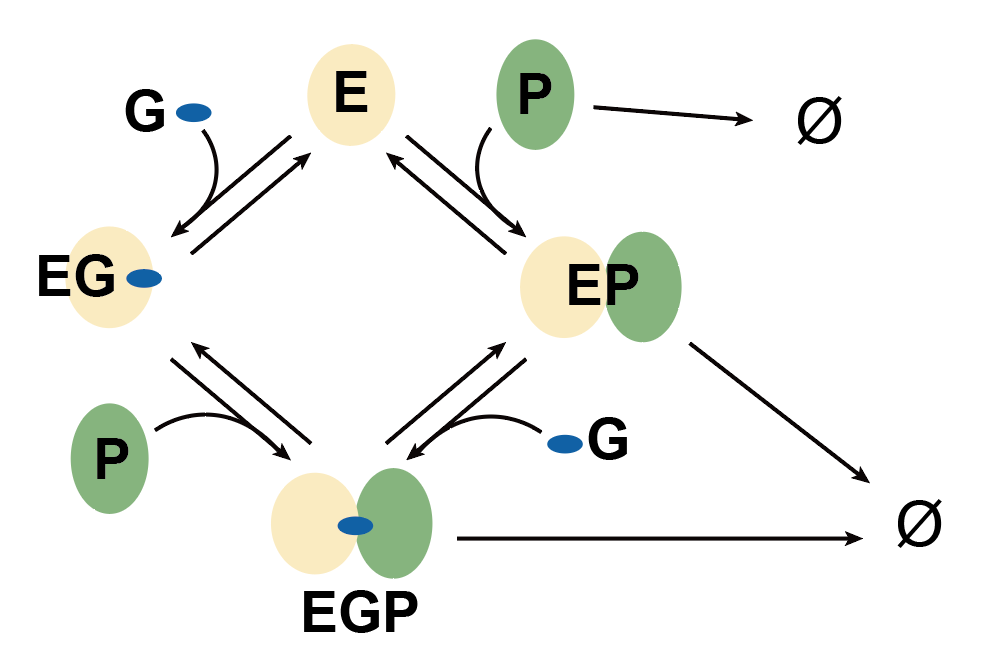
Pharmacokinetics & pharmacodynamics
Predictive models for protein therapeutics: immunotherapy, molecular glues, and GLP-1 receptor agonists.
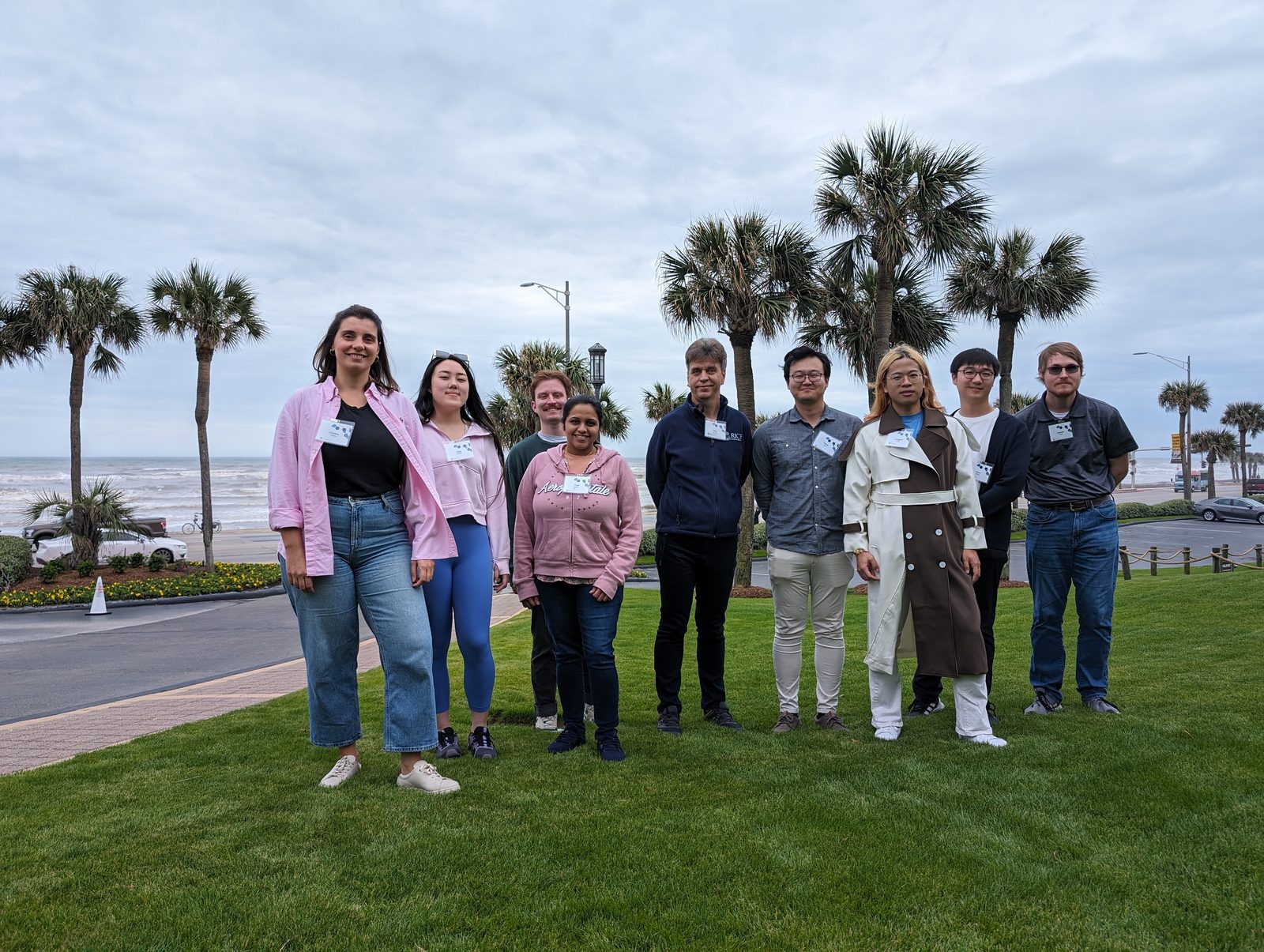
Physicists, engineers, and biologists
Our group brings together people trained in physics, mathematics, chemistry, engineering, and biology. Lab alumni now lead research groups and work in industry around the world.
Recent publications
-
Once yearly cell-based therapy for sustained and dose-tunable delivery of monoclonal antibodies
Science Advances (2026)
-
Quantum field theory approach for multistage chemical kinetics in liquids
Physical Review E (2026)
-
First-In-Human Trial of Encapsulated Cells Constitutively Expressing Localized IL2 in Patients with High-Grade Serous Ovarian Carcinoma
Clinical Cancer Research (2026)
-
Unraveling discrimination strategies in biological error-correction networks
The Journal of Chemical Physics (2026)
-
Biophysical Modeling Elucidates Mechanistic Principles for Rational Molecular Glue Design
Journal of Chemical Information and Modeling (2026)